






Free written scope consultation - allowances, timeline, and change-order rules on paper before a single trade is scheduled
Styles & brands we work with







See the difference
 Before
 After
After Before
 After
After Before
 After
AfterHow Much Does Kitchen Island Installation Cost in San Francisco?
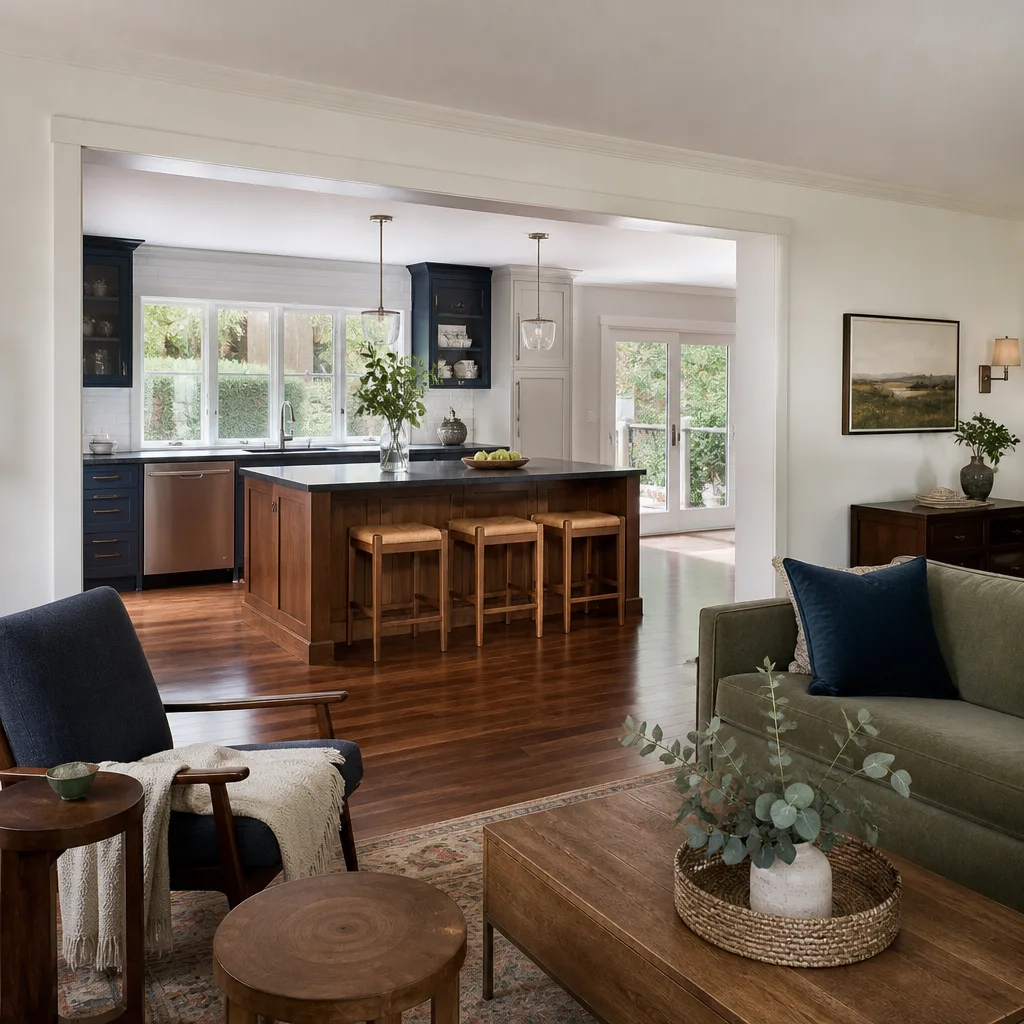
Kitchen island installation in San Francisco typically costs between $3,540 and $11,800 in 2026, with most homeowners paying around $6,800 for a standard island with seating and storage. A basic prefabricated island with minimal electrical or plumbing work runs at the low end, while a custom-built island with stone countertops, integrated appliances, and new utility rough-ins pushes toward the top of the range. Every job at Bradford Remodeling gets a written price before work starts, so the number you approve is the number you pay.
If you’re planning a full kitchen redo, a home consultation helps us see how the island fits the bigger picture. For details on our specific island service, see our Kitchen Island Installation in San Francisco page.
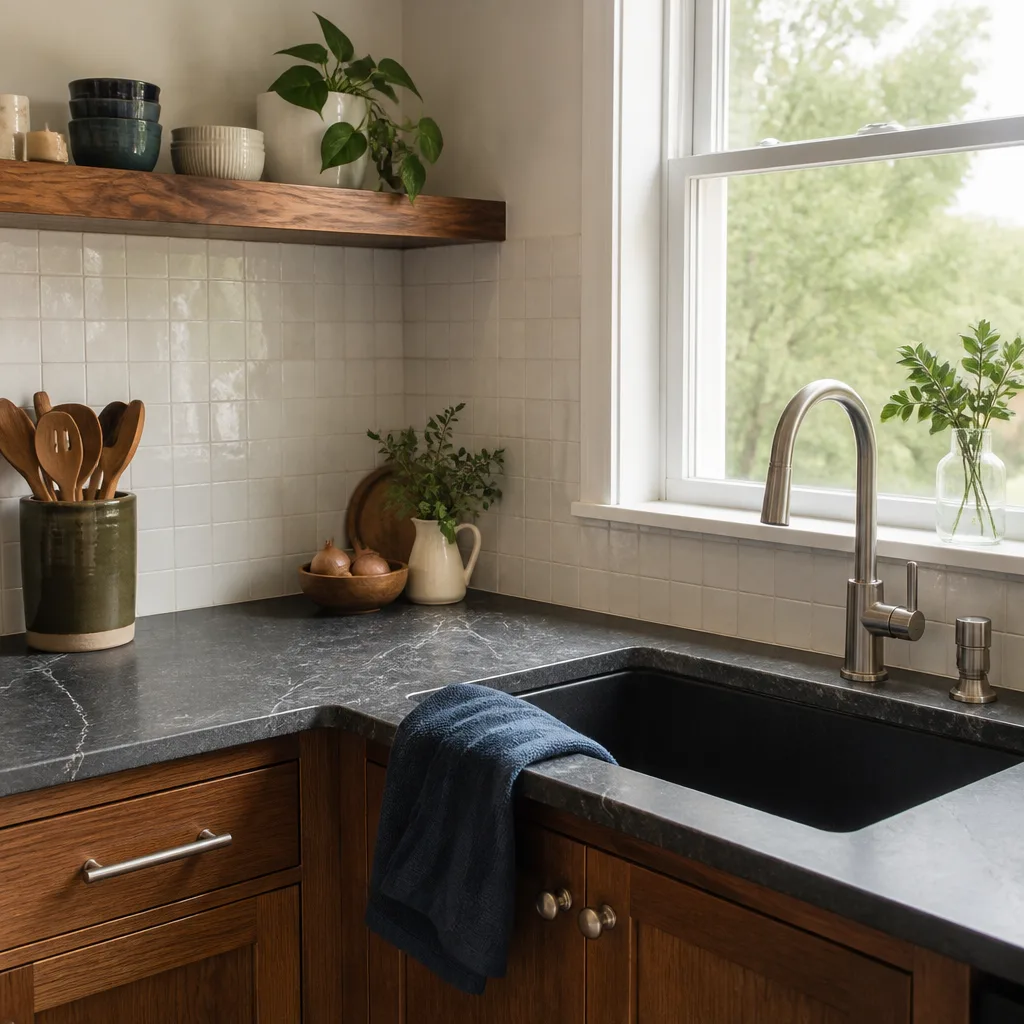
Kitchen Island Installation Cost Breakdown (2026)
Here’s what the numbers look like item by item in the San Francisco market, based on 2026 rates for labor and materials. These figures assume a licensed contractor, permitted work where required, and materials from documented brands like KraftMaid, Wellborn, Cambria, and Kohler.
| Cost Component | Range |
|---|---|
| Island base cabinetry (stock or semi-custom) | $1,000 – $2,950 |
| Stone countertop slab (Cambria or Caesarstone, cut and installed) | $1,200 – $3,600 |
| Labor for installation and finish carpentry | $600 – $1,800 |
| Electrical (outlets, pendant lighting rough-in, GFCI) | $350 – $1,100 |
| Plumbing (sink, faucet, drain line, possible vent relocation) | $350 – $1,200 |
| Permits and inspection fees (where required) | $120 – $450 |
| Prefabricated island option (no custom fabrication) | $1,000 – $3,000 |
What pushes the price up is structural. If the island needs a new electrical run from the panel, gas for a range, or drain-line work under a slab, the rough-in labor multiplies. San Francisco has its own set of code requirements around electrical and plumbing permits, and many older homes in neighborhoods like the Richmond, Sunset, Noe Valley, and Bernal Heights were built before ground-fault circuit interrupter protections were standard, so islands with outlets or sinks often require upgrades to meet current code.
What pushes the price down is scope. A small 4-foot by 3-foot island with no plumbing, built on a self-leveling base, can land under $4,000. Add a breakfast-bar overhang, trash-bin pullouts, and dovetailed drawer boxes, and you’re in the $6,000 to $7,500 middle. Add a prep sink, pot filler, and stone waterfall edge, and you’re past $9,000 real quick.
What Affects Kitchen Island Installation Pricing in San Francisco
There are six factors that move the needle on island cost in this city more than anything else. None of them are mysterious, and all of them show up as line items on a written quote if you ask the right contractor.
- Whether the island carries water. A sink or dishwasher means drain, vent, and supply lines. In San Francisco homes with slab-on-grade foundations (common in the Mission, Excelsior, and Visitacion Valley), the drain line may need to run through the wall rather than dropping through the floor. That adds serious labor.
- Electrical demand. Code requires an outlet on an island longer than 12 inches by 24 inches. If the panel is full or the run is long, you pay for a new circuit. One 20-amp circuit can add $350 to $700 before the drywall patch.
- Stone or solid surface choice. Cambria and Caesarstone slabs run $70 to $115 per square foot installed in the Bay Area. Natural stone from local fabricators often starts there and climbs. Trade-down options like butcher block bring the top down but require resealing every couple of years in San Francisco’s damp climate.
- Flooring work. If the old island comes out and the flooring doesn’t extend under it, the new island footprint needs flooring infill. Matching hardwood in a 1920s Pacific Heights flat is not the same job as matching vinyl in a Sunset bungalow.
- Seismic anchoring. San Francisco building code requires certain built-in cabinets to be anchored for earthquake safety. That means lag bolts into floor joists, shim work, and sometimes steel brackets into masonry. It’s the right thing to do, and it’s a real cost.
- Access on the day of install. A third-floor walk-up in a Marina District apartment building with no service elevator means every base cabinet box carries a stair charge. A ground-level garage entry in the Outer Sunset does not. Your street and story drive labor.
At Bradford, every one of these factors appears on the written price before a single tool comes out. There’s no re-pricing at the door. That’s part of The Garrison Standard, the written framework every Garrison Partners location operates under since 2004. Curtis Lane, who leads Bradford Remodeling Co San Francisco, has held every project to that standard: documented scope, documented materials, documented guarantee.

How to Save on Kitchen Island Installation
Saving money on an island is mostly about scope discipline, not cheap materials. The island is a working surface, and a cheap top shows wear fast, especially in a kitchen that does real cooking.
First, skip the sink. This is the single biggest savings lever. Without plumbing, you avoid drain-line work, a faucet, a sink basin, and the permit line item that goes with them. A prep-only island with outlets and seating is very functional and runs several thousand dollars lighter.
Second, choose a semi-custom or stock base from a documented line like KraftMaid or Wellborn instead of full custom. You still get dovetail drawers, soft-close hardware, and a factory finish, but you avoid the shop rate for a one-off cabinet box.
Third, buy the countertop from the same fabricator doing the cut. Cambria and Caesarstone both have local certified fabricators in the Bay Area, and when the slab and the cut come from the same supplier, you often save on freight and templating.
Fourth, keep the overhang simple. A 12-inch overhang for counter seating needs corbels or hidden brackets. If you don’t need seating on both sides, don’t pay for support you’ll never lean on.
Fifth, get a written estimate. Not a phone estimate. A written estimate that lists each line item and states what’s included. Bradford gives you that every time, free. Call (831) 610-5598 and we’ll schedule it. There’s no charge for the estimate and no obligation to proceed.
How Long Does Kitchen Island Installation Take in San Francisco?
Most island installations in San Francisco run two to five business days from start of work to final cleanup, assuming no structural surprises. A straightforward island with no plumbing goes in two days. An island with a sink, electrical, and stone templating takes four to five. Stone templating itself has a wait: after the base cabinets are set, the fabricator measures, cuts, and delivers the slab, and that can add three to seven days between phases depending on the fabricator’s shop schedule.
If you live in a building that requires a permit review rather than over-the-counter issuance, add one to two weeks on the front end for paperwork. Bradford handles the permit filing as part of the written scope so you don’t have to learn the San Francisco Department of Building Inspection process on a Sunday night.
Kitchen Island vs. Kitchen Peninsula: Cost Difference
A peninsula typically runs 20 to 35 percent less than a comparable island in San Francisco because it shares one side with existing cabinetry. That means fewer finished end panels, no walk-around clearance requirement, and often simpler electrical. If your kitchen has an awkward pass-through or a dead corner, a peninsula can deliver the same extra prep space for real savings. But if the room can carry an island without shrinking the work aisles below 36 inches, an island gives you circulation on all four sides, which matters in a city where kitchens double as social spaces.
San Francisco Permits for Kitchen Island Installation
Yes, an island with electrical or plumbing requires a permit from the San Francisco Department of Building Inspection. The work has to be signed off, and the inspector checks the rough-in before the drywall goes back. That’s not bureaucratic overhead. It’s the record that protects you when you sell the house in five or ten years, and it’s the check that the work was done to code.
Some handyman contractors will offer to “just do the work” without a permit. We won’t. At Bradford, the permit is part of the written price, and the inspection is scheduled before the job is done. That’s what the 365-Day Done Right Promise means in practice: if something fails inside a year, we return and correct it at no charge. A permit protects that promise.
Key Takeaways
- Kitchen island installation in San Francisco costs $3,540 to $11,800 in 2026; the typical install runs about $6,800.
- The biggest price drivers are plumbing rough-in, stone choice, and electrical scope, not the cabinet box itself.
- A sink-free island saves real money and works well as prep-and-seating space.
- Permits are required for islands with utilities, and Bradford handles them in the written price.
- Every Bradford project carries a written price before work starts and a full-year guarantee after it finishes.
FAQs – Kitchen Island Installation Cost
How much does a basic kitchen island cost in San Francisco?
A basic kitchen island with stock or semi-custom cabinetry, a laminate or butcher block top, and a single outlet runs $3,540 to $5,900 in San Francisco. Add seating, a stone top, or soft-close hardware and expect $5,900 to $8,000. Call (831) 610-5598 for a written estimate on your exact layout.
Is it cheaper to build an island or buy a prefabricated one?
Prefabricated islands run $1,000 to $3,000 for the piece itself, but they rarely match the floor plan, and they often lack permanent electrical or plumbing. A built-in island in San Francisco costs $3,540 to $11,800 all-in, but it’s anchored, permitted, and sized to your kitchen. Most homeowners find the built-in is the better long-term value.
What is the most expensive part of a kitchen island?
The stone countertop is usually the single most expensive line item, running $1,200 to $3,600 for Cambria or Caesarstone slabs in San Francisco. Plumbing rough-in is second if the island carries a sink. The cabinet base itself is often the least expensive part and rarely drives the budget.
Do you need a permit to install a kitchen island in San Francisco?
Yes, if the island has electrical outlets or plumbing, you need a permit from the San Francisco Department of Building Inspection. Bradford includes permit filing and inspection scheduling in the written price, so there’s no surprise fee and no unpermitted work on your property.
Can you install a kitchen island in one day?
Some no-plumbing, no-stone islands can be set in one day, but most San Francisco island installations take two to five working days, especially when stone templating or building inspection is involved. We’ll give you a day-by-day plan in writing before work begins, and we stick to it.
Does Bradford Remodeling offer free estimates for kitchen island installation?
Yes. Bradford Remodeling Co San Francisco provides free written estimates for kitchen island installation. Call (831) 610-5598 to schedule one. The price is in writing before any work starts, and the 365-Day Done Right Promise backs the finished job.
Hire a Contractor Who Puts the Price in Writing
You’ve probably heard enough kitchen horror stories to fill a city block: the contractor who ghosted after the deposit, the invoice that showed up $2,000 over the quote, the subway tile that never got grouted. Those stories exist because too many contractors run on conversation instead of paper.
Bradford Remodeling runs on paper. Written scope. Written materials list. Written price. And a signed guarantee that says the work is covered for 365 days. If something fails inside that window, we come back and correct it at no charge. That’s the Garrison Standard, and Curtis Lane’s crew in San Francisco doesn’t take a job unless we can put it in writing first.
We install islands on time, with background-checked technicians in uniform, and we answer the phone when you call. A real person, 24/7, at (831) 610-5598. Not a voicemail box, not a callback queue. Call today and we’ll schedule your free written estimate. You’ll know the exact cost before you commit, and that’s the only way we think a remodel should start.
Written by Curtis Lane, Owner at Bradford Remodeling Co San Francisco, serving San Francisco since 2004.
Pricing reflects the San Francisco market as of 2026. Bradford Remodeling Co San Francisco offers free estimates – call (831) 610-5598.
What Our Customers Say
"Replaced old windows and trim while redoing the kitchen. Clean finish work."
- Ron F."Painting and drywall repair were flawless. They patched the drywall seams and the paint matches the old wall."
- Cal P."Primary bath redo. Tile is straight, shower pan was flood tested, and the vanity fits perfectly."
- Tricia S.