






Free written scope consultation - allowances, timeline, and change-order rules on paper before a single trade is scheduled
James Hardie Home Additions & ADU: The San Francisco Owner’s Guide
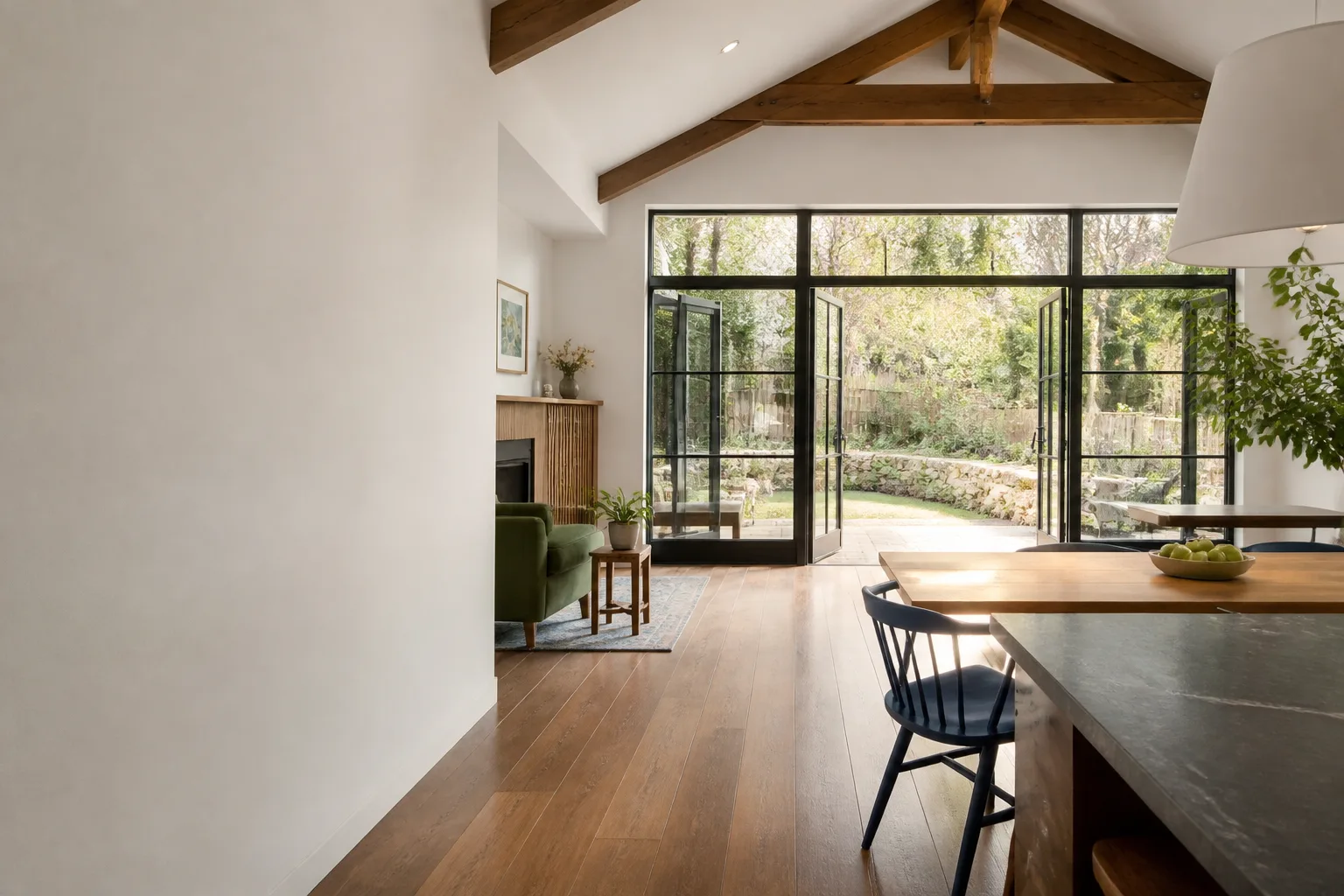
We plan, permit, and build home additions and ADUs clad with James Hardie fiber cement in San Francisco, with typical projects running $53,100 to $153,400 depending on square footage, foundation work, and site access. Your failed part here isn’t a component you can swap out – it’s usually a scope that was under-built or a specification that was never matched to San Francisco’s fog, wind, and seismic requirements. We see it most often when a homeowner tries to add onto an existing structure where the original Hardie installation wasn’t flashed correctly, and now the addition plan has to account for repairing the tie-in point before new work can go up.
Bradford Remodeling Co San Francisco is an independent contractor – we are not a James Hardie dealer or affiliate. We install Hardie products because their fiber cement holds up to what San Francisco throws at it, and we write your scope against the manufacturer’s installation specs so the warranty actually means something when water tries to find a way in.
Key takeaways:
- James Hardie home additions and ADUs in San Francisco typically cost $53,100 – $153,400 installed, with written pricing before we start.
- The most common point of failure is the transition between old and new framing – not the Hardie product itself.
- Every Bradford project carries the 365-Day Done Right Promise: if it fails within a year, we return and correct it at no charge.
- We pull permits, we pass inspections, and you get a signed written guarantee at close-out.
Which James Hardie Models This Applies To
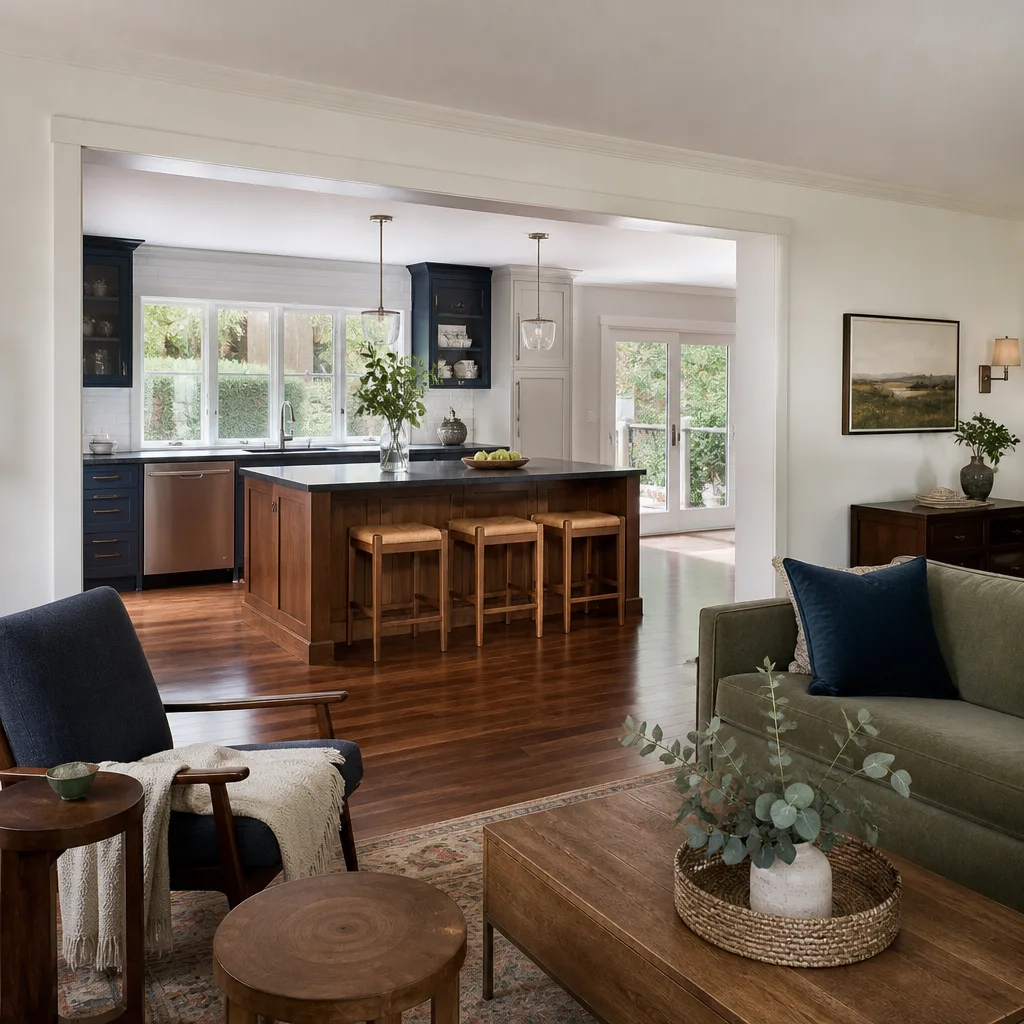
If you’re adding square footage or building an ADU in San Francisco, the James Hardie product line that matters most is HardiePlank lap siding, HardiePanel vertical siding, and HardieSoffit for eaves and overhangs. These are the workhorses for additions because they match the existing cladding on most 1920s through 1990s San Francisco homes. The key gotcha is this: HardiePlank comes in 5.25-inch and 8.25-inch exposures, and if your existing house is clad in the 5.25-inch profile, you cannot mix in 8.25-inch boards without a visible seam that reads as a patch job from the street. Same goes for texture – the smooth finish and the wood-grain finish are two different products, and matching the wrong one is how additions end up looking like they were bolted on.
For the aftermarket decision: Hardie’s own trim boards, corners, and flashing accessories are engineered to work with their siding. We spec OEM Hardie trim and flashing on additions because San Francisco’s wet winters expose aftermarket corner boards that don’t lap the same way. On interior work, you don’t need Hardie-branded anything – that’s where your KraftMaid cabinetry, Cambria or Silestone countertops, and Kohler or Moen fixtures come in. Brad Remodeling keeps a documented roster of these brands so specifications are traceable from rough-in to close-out.
One more spec range worth knowing: HardiePlank requires a minimum 6-inch clearance from the bottom edge of the siding to grade. On San Francisco hillside lots where the addition steps down, we regularly see this clearance get eaten up by sloped soil or concrete that’s been added years later. That’s a code issue and a moisture issue, and we fix it as part of the framing scope.
Styles & brands we work with







Signs Your James Hardie Home Additions & ADU Is Failing
- Water staining on interior walls near the old/new roofline tie-in. This is the most common failure we find on San Francisco additions. The flashing detail between the existing roof and the new addition roof wasn’t lapped correctly, and fog-driven moisture works its way in over two or three winters before the stain shows up.
- Hardie plank edges swelling or delaminating at the bottom course. Fiber cement doesn’t rot, but if it’s been installed with less than 6 inches of ground clearance or the bottom edge wasn’t sealed, water wicks up and the board starts to flake. We see this on additions where the grade was regraded after construction.
- Gaps opening between Hardie boards at corners or window openings. Hardie expands and contracts with temperature. If the installer butted boards too tight at inside corners, the boards push each other and gaps open. San Francisco’s 40-degree temperature swings between foggy mornings and sunny afternoons make this worse.
- Caulk failing around windows and doors less than two years after installation. That’s a sign the rough opening wasn’t flashed right. Caulk is a backup, not a primary water barrier. If the flashing behind the Hardie isn’t doing its job, the caulk gets saturated and fails early.
- Soft spots in the subfloor where the addition meets the original house. This means water has been getting past the cladding and into the floor system for a while. By the time you feel a soft spot, you’re past a siding fix and into framing repair.
Replacement Cost & What’s Included

For a James Hardie-clad home addition or ADU in San Francisco, you’re looking at $53,100 to $153,400 all-in, depending on square footage, foundation type, and how much of the existing wall we have to open up to tie in correctly. The lower end covers a modest bump-out or studio ADU with standard finishes. The upper end covers a larger addition or a full one-bedroom ADU with a kitchen, bathroom, and upgraded finishes.
Here’s how that range breaks down on a typical San Francisco addition:
- Plans, structural engineering, and permits: $6,000 – $18,000 depending on scope and how much existing structure needs documentation.
- Foundation and site work: $12,000 – $35,000. Hillside lots in places like the Outer Sunset or Glen Park run higher because of pier-and-grade-beam work.
- Framing, sheathing, and roofing tie-in: $18,000 – $48,000. This includes the old/new wall condition where most failures start.
- James Hardie siding, trim, and flashing (materials and labor): $8,000 – $22,000, installed to Hardie’s spec so the manufacturer warranty stays intact.
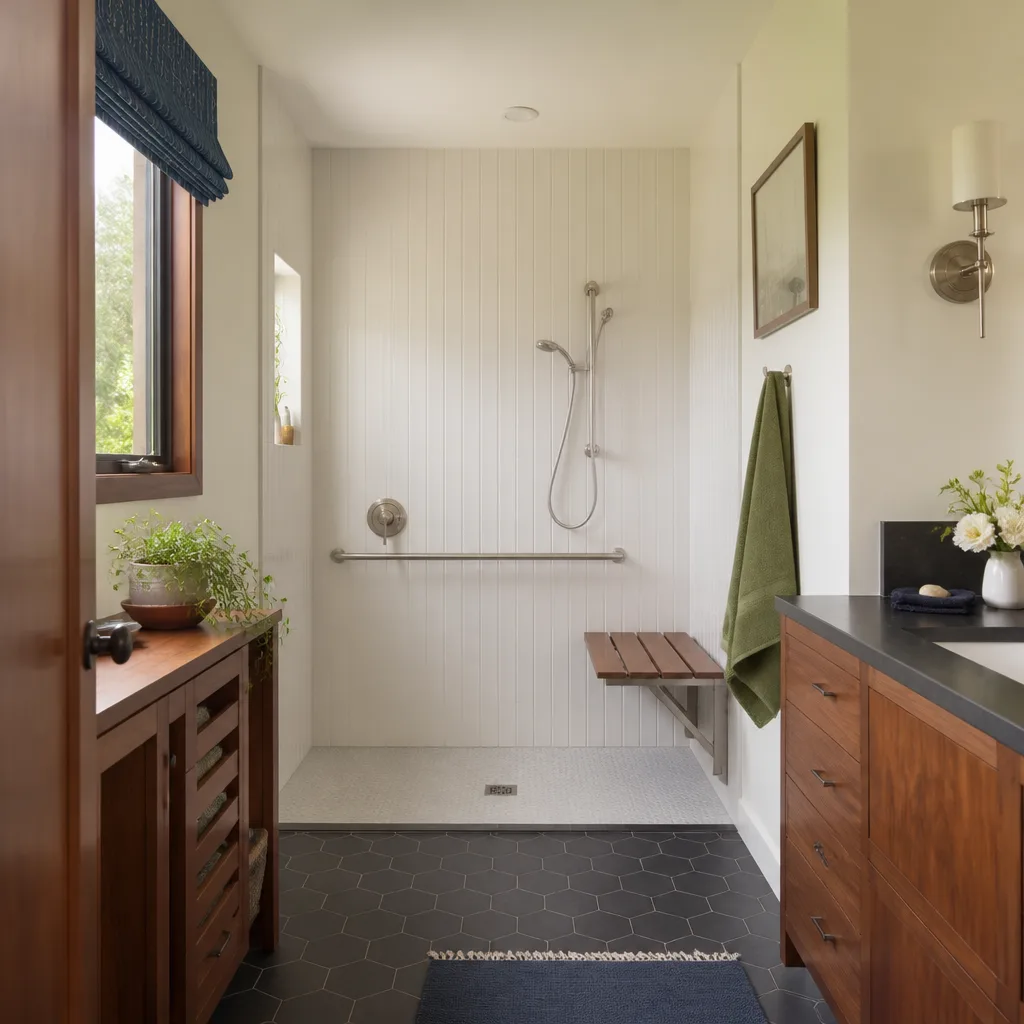
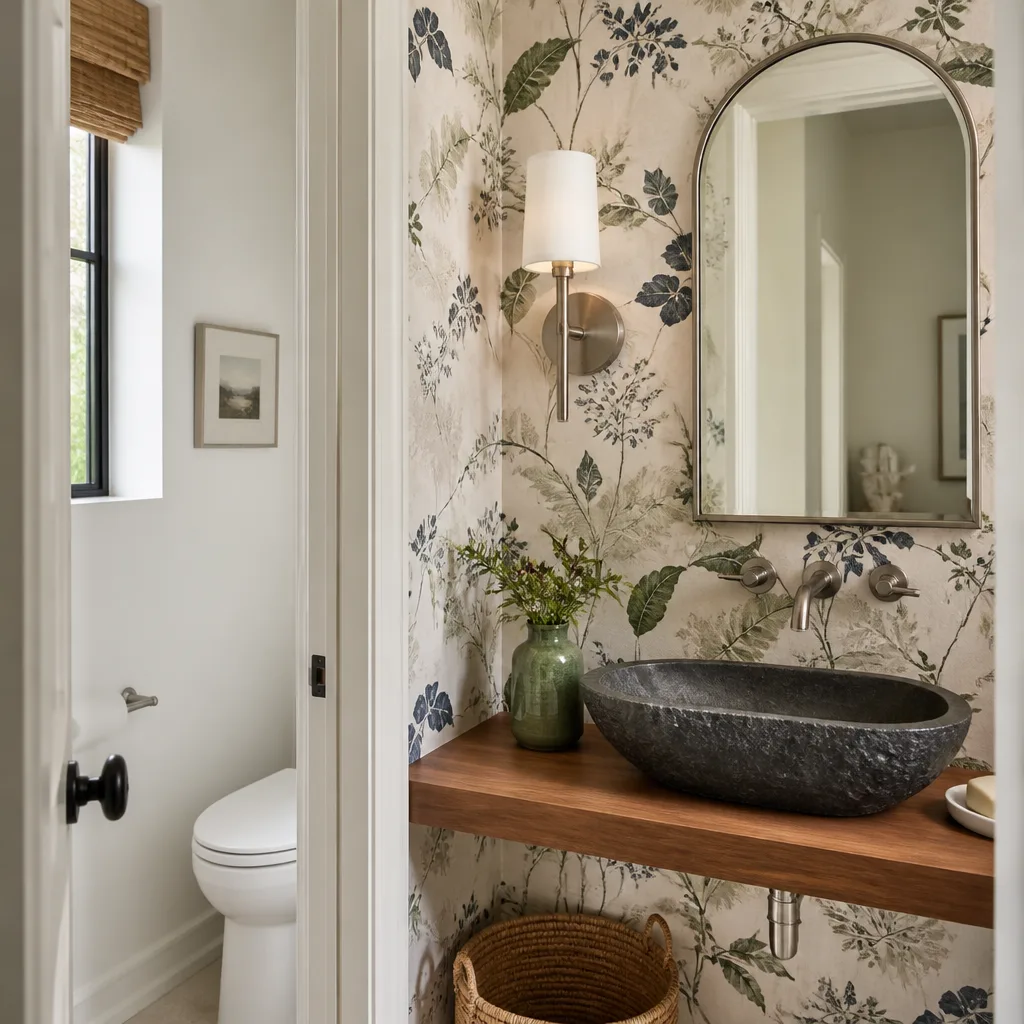
- Interior finish work (drywall, flooring, paint, cabinetry, fixtures): $9,000 – $30,000 depending on what you spec.
Every line item is priced in writing before we start, and that number doesn’t move at the door. If the work doesn’t hold, the 365-Day Done Right Promise brings us back at no charge. And we hand you a signed written guarantee at close-out, not a verbal promise.
See the difference
 Before
 After
After Before
 After
After Before
 After
AfterDIY or Call Us?
You can check clearance, flashing, and caulk joints yourself. Walk the addition after a rain and look for wet spots that linger. That’s smart ownership. What you shouldn’t do is open up a wall to inspect framing or attempt structural tie-in work. Once you’re cutting into an existing balloon-frame wall in San Francisco, you’re dealing with load paths, shear requirements, and the California Building Code. That’s a job for a crew that reads structural drawings and has pulled thousands of permits.
If you suspect your addition’s Hardie cladding or tie-in points are failing, call us at (831) 610-5598 for a free estimate. Curtis Lane and the crew will give you a straight number, real scope, no surprises at close-out.
FAQs

A properly installed James Hardie-clad addition in San Francisco should last 40 to 50 years before the siding needs replacement, and the structure should outlast that. The weak points are the tie-in flashings and the bottom edge clearances, which is why we build our scopes around Hardie’s published installation specs. Call (831) 610-5598 and we’ll tell you whether your existing addition was built to that spec.
Most failing additions need repair, not a full rebuild. We repair flashing, replace damaged Hardie courses, fix bottom-edge clearance, and correct any structural issues found during the repair. A full rebuild is rare and usually only comes up when water has been getting in for years and the framing is compromised. Call (831) 610-5598 and we’ll give you an honest assessment in writing.
Most additions and ADUs in San Francisco take 4 to 7 months from permit submission to final inspection, depending on scope and how smoothly the building department review goes. Permitting alone typically runs 6 to 10 weeks in San Francisco. We give you a written schedule with your written price, and we hold to it.
We stock the most commonly used HardiePlank profiles, HardiePanel, and HardieSoffit in our San Francisco yard, including 5.25-inch smooth and wood-grain in the standard colors. Specialty trim pieces and custom colors are ordered direct from James Hardie suppliers, which typically adds a week to the schedule. Call (831) 610-5598 and we’ll confirm what’s on hand for your specific match.
Call Bradford Remodeling Co San Francisco
If your James Hardie addition or ADU needs repair, replacement, or you’re planning new construction in San Francisco, call us at (831) 610-5598 to schedule a free estimate. We answer the phone 24/7, we give you a written price before any work starts, and every job is covered by the 365-Day Done Right Promise. That’s The Garrison Standard, and it’s been our way since 2004.
Written by Curtis Lane, Owner, Bradford Remodeling Co – San Francisco, CA at Bradford Remodeling Co San Francisco, serving San Francisco and nearby areas.


